 ThoughtCraft
Have you ever felt like your brain is running on empty, even after a full night’s sleep? That’s the hidden weight of mental exhaustion creeping in. It’s that invisible burden that drags you down, making simple tasks feel like climbing a mountain. In today’s fast-paced world, mental fatigue is more common than we think, affecting millions globally. According to recent studies, job burnout has reached an all-time high of 66% in 2025, highlighting how this issue silently erodes our well-being.
This article dives deep into the hidden weight of mental exhaustion, exploring what it really means, why it happens, and how you can shake it off. We’ll uncover the signs, the causes, and practical ways to reclaim your energy. If you’re nodding along, thinking “that’s me,” stick around – understanding this can be your first step toward lighter days.
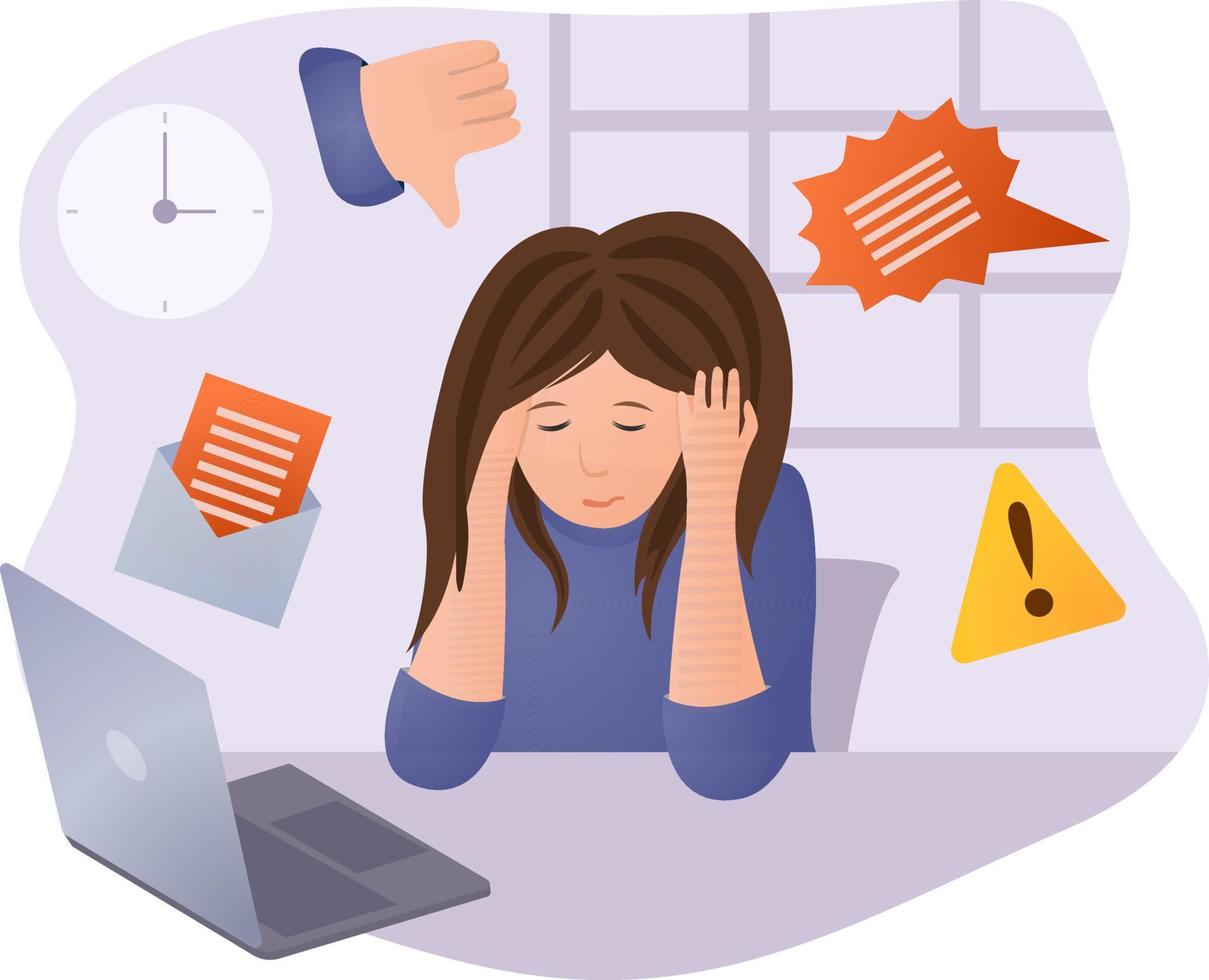
Mental health issue, burnout and stress concept. Tired woman at …
What Is Mental Exhaustion Exactly?
Mental exhaustion, often called mental fatigue or psychological burnout, goes beyond just feeling tired. It’s a state where your mind feels overwhelmed, leading to reduced efficiency and emotional drain. Imagine your brain as a battery – when it’s constantly drained without recharge, it starts to flicker and dim. This isn’t just about being sleepy; it’s a deeper lassitude that affects your thoughts, moods, and even physical health.
Unlike physical tiredness, which a good rest can fix, the hidden weight of mental exhaustion builds up from prolonged stress. The World Health Organization recognizes burnout as an occupational phenomenon, linked closely to this condition. It sneaks up on you, making decisions harder and joy harder to find. Think of it like carrying an invisible backpack filled with worries – over time, it weighs you down more than you realize.
In practical terms, mental exhaustion can stem from work, relationships, or even daily news overload. For example, a teacher juggling online classes and grading might feel this after months without breaks. Statistics show that among health workers, burnout rates jumped from 32% in 2018 to 46% in 2022, illustrating how demanding roles amplify this issue. If left unchecked, it can lead to serious problems like depression or anxiety.
Understanding this is key because many people dismiss it as “just stress.” But the hidden weight of mental exhaustion is real and deserves attention. By recognizing it early, you can prevent it from taking over your life. For more on related stress management, check out our guide to stress relief techniques.
Let’s explore further. Mental fatigue isn’t a one-size-fits-all experience. Some folks might feel it as cognitive murkiness, where focusing becomes a chore. Others experience emotional tiredness, snapping at loved ones over small things. Whatever form it takes, it’s essential to acknowledge that this burden isn’t a sign of weakness – it’s a signal your mind needs care.
The Difference Between Mental and Physical Exhaustion
While physical exhaustion leaves your body aching after a workout, mental exhaustion targets your psyche. You might sleep for hours yet wake up foggy-headed. This distinction matters because coping with mental tiredness requires different strategies, like mindfulness over muscle rest.
Consider Sarah, a marketing executive. She runs marathons but lately, brainstorming sessions leave her drained. That’s the hidden weight of mental exhaustion at play – her body is fit, but her mind is overburdened. Studies indicate that 52% of employees felt burned out in the past year due to job demands, showing how prevalent this is in professional settings.
To sum up this section, mental exhaustion is that sneaky thief robbing you of vitality. Recognizing it is the first hurdle crossed. Now, let’s look at how it manifests in everyday life.

9,400+ Mental Exhaustion Stock Illustrations, Royalty-Free Vector …
Signs and Symptoms of the Hidden Weight of Mental Exhaustion
Spotting the signs early can save you from deeper troubles. The hidden weight of mental exhaustion shows up in various ways, often mimicking other issues. Are you forgetting appointments or struggling to concentrate? That could be it.
Common symptoms include constant fatigue, irritability, and a sense of detachment. You might find yourself procrastinating more or feeling cynical about things you once loved. Physically, headaches or insomnia can tag along, making the burden even heavier.
Emotional and Psychological Indicators
On the emotional side, you could experience mood swings or a lack of motivation. It’s like your inner spark is dimmed. For instance, a parent might snap at kids after a long day, not because they’re bad, but due to emotional drain from work.
Statistics reveal that among nurses, 62% report burnout, with emotional exhaustion as a top symptom. This highlights how professions with high empathy demands are hit hard.
Physical Manifestations You Can’t Ignore
Your body often screams what your mind whispers. Muscle tension, digestive issues, or weakened immunity are common. Ever notice more colds when stressed? That’s the hidden weight of mental exhaustion weakening your defenses.
In college students, four out of five report burnout during their studies, leading to physical symptoms like exhaustion and sleep disturbances. Recognizing these signs is crucial for timely intervention.
If these sound familiar, don’t brush them off. The hidden weight of mental exhaustion can escalate if ignored. Talking to a friend or professional can help lighten the load. For related reading, see our article on burnout symptoms guide.
Remember, these symptoms vary by person. Some might withdraw socially, while others overeat or undereat. Listening to your body and mind is key to managing this.
Causes Behind This Invisible Burden
What fuels the hidden weight of mental exhaustion? Often, it’s a mix of chronic stress, poor work-life balance, and unmet needs. In our always-on culture, constant connectivity amplifies this.
Work demands top the list. Deadlines, high expectations, and lack of support can drain you fast. Add personal life stressors like family issues or financial worries, and the weight piles on.
Work-Related Triggers
In offices, return-to-office mandates might worsen burnout, as a 2025 study suggests. Employees feel more stressed without flexibility.
Take John, a software developer. Endless coding sprints left him mentally depleted. This is common in tech, where innovation pressure never stops.
Personal and Lifestyle Factors
Lack of sleep, poor diet, or no exercise contribute too. Social media overload can cause comparison fatigue, adding to emotional tiredness.
Among mental health workers, 21-67% experience high burnout levels, due to emotional labor. Identifying your triggers is vital for addressing the root.
The hidden weight of mental exhaustion doesn’t appear overnight; it’s cumulative. By pinpointing causes, you can start dismantling them. Learn more about chronic stress effects in our post on chronic stress.

Flat cartoon illustration of man at workplace feeling stress and …
Other causes include perfectionism or lack of boundaries. Setting “no” as a complete sentence can help prevent buildup.
The Profound Impacts on Your Daily Life and Health
The hidden weight of mental exhaustion doesn’t stay hidden forever; it spills over into every aspect of life. From productivity dips to strained relationships, the effects are far-reaching.
At work, it can lead to errors or absenteeism. In personal life, you might isolate yourself, missing out on joy. Health-wise, it increases risks for heart disease or immune issues.
Effects on Productivity and Relationships
Ever stared at a screen, unable to type? That’s cognitive fog from exhaustion. Relationships suffer too, as irritability pushes people away.
A survey shows 57% of workers experienced burnout in 2023, affecting team dynamics. Example: A couple where one partner’s exhaustion leads to less quality time.
Long-Term Health Consequences
Chronic mental fatigue can lead to depression or anxiety disorders. Physically, it raises cortisol levels, harming your body over time.
Primary care physicians report burnout at 57.6%, which can effct patient care. Ignoring this can lead to severe burnout, requiring professional help.
The hidden weight of mental exhaustion is a thief of time and health. But knowledge empowers you to fight back.
Effective Strategies to Overcome Mental Exhaustion
Good news: You can lift the hidden weight of mental exhaustion with targeted strategies. Start with self-care basics like sleep and nutrition.
Practice mindfulness or meditation to recharge your mind. Take breaks – the Pomodoro technique can help, working in bursts with rests.
Daily Habits for Recovery
Exercise releases endorphins, combating fatigue. Journaling helps process emotions, lightening the load.
For example, Lisa, a busy mom, started walking daily and saw her energy return. Studies support this, showing activity reduces burnout symptoms.
Seeking Professional Help
If it’s overwhelming, talk to a therapist. Cognitive behavioral therapy is effective for managing stress.
Don’t hesitate – early intervention prevents worse outcomes. Resources like WHO’s burnout info can guide you.
Building a support network is crucial. Share with friends or join groups for coping with mental tiredness.
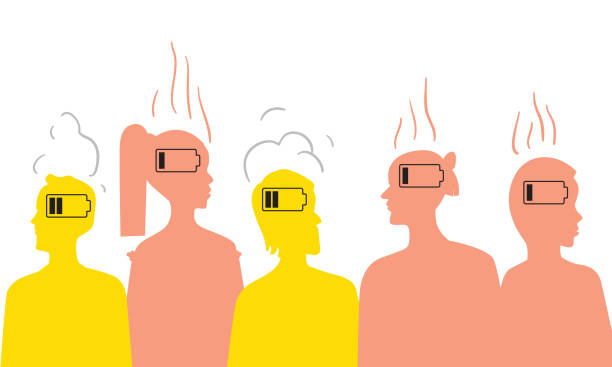
16,000+ Mental Burnout Stock Illustrations, Royalty-Free Vector …
Preventing the Hidden Weight of Mental Exhaustion in the Future
Prevention beats cure. Set boundaries at work, like no emails after hours. Prioritize self-care routines.
Build resilience through hobbies and social connections. Monitor stress levels regularly.
In workplaces, advocate for mental health days. As per CDC insights on health worker mental health, supportive environments reduce burnout.
Adopt a growth mindset – view challenges as opportunities. This shifts the weight from burdensome to manageable.
Finally, if you’re feeling the hidden weight of mental exhuastion, take action now. Assess your situation, implement these tips, and seek help if needed. Your mind deserves it – start today for a brighter tomorrow.
Frequently Asked Questions
What are the main causes of mental exhaustion?
Main causes include chronic stress, overwork, and lack of balance. Personal factors like poor sleep also play a role.
How can I tell if it’s mental exhaustion or something else?
If rest doesn’t help and symptoms persist, it’s likely mental fatigue. Consult a doctor to rule out other issues.
Is mental exhaustion the same as burnout?
Burnout is a severe form of mental exhaustion, often work-related. They overlap but burnout is more chronic.
What quick fixes can I try for mental fatigue?
Take a short walk, breathe deeply, or unplug from devices. These provide immediate relief.
When should I seek professional help?
If symptoms interfere with daily life or last weeks, see a professional. Early help is best.